Your shopping cart is currently empty.
If you have not already done so, you can login to your account to see any items that may be saved in your cart. Once logged in, you may also add items to the cart that you saved previously to your wishlist.

by Dr. Morgan Davis
27 April 2026
While the alto saxophone itself gets all the glory, the reed does much of the heavy lifting when it comes to shaping your sound and influencing the response of your saxophone. It is the vibration of the reed that actually converts the player’s air into sound. This tiny, yet mighty piece of cane is under-appreciated by many saxophonists, especially new and developing players. Most young saxophonists start on a “beginner” brand and many stick to it well beyond when they would benefit from a different brand, as they assume all reed brands are pretty much the same. However, while equipment is never a substitute for practice, different reeds absolutely make a difference in how easy or difficult it is to play the instrument and create the tone you desire.
This guide breaks down the anatomy of a reed so you can understand exactly how manufacturers shape their reeds to encourage specific qualities. This is followed by a breakdown of our top selling alto sax reed brands to help you find your perfect sound profile.
(If you already know the anatomy, click here to skip straight to the brand breakdown.)
Every saxophone reed is carved from a piece of cane called a “blank.” Most reeds start from blanks of more or less the same thickness, but some cuts specifically opt for a different thickness. More commonly, however, how it is carved is the most substantial factor in its response and tone. While each reed might look more or less the same, differences as little as 0.01mm in specific areas of the reed can have a dramatic effect on the response and tone experienced by the saxophonist.
The tip is the thinnest, most fragile part of the reed. It is also the part of the reed that experiences maximum vibration and is one of the areas of the reed that contacts the mouthpiece while vibrating. The primary variable at the tip is how thin it is cut.
Thinner tips are most known for encouraging a highly responsive reed. In all, they promote crisper and more responsive articulation, brighter tone, make it easier to control the soft end of your dynamic range, and less resistance.
Thicker tips are most known for increasing resistance. In all, they promote a fuller, warmer tone, require more air, can promote a heavier articulation, offer more resistance, make it easier to play louder dynamics without overpowering the reed, and because they are thicker, are usually a little more durable than thinner tips; slightly less prone to splitting, chipping, or warping.
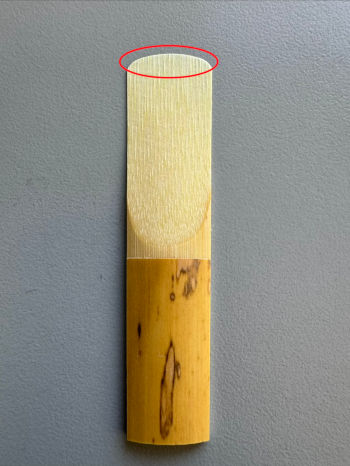
The vamp (sometimes called the “pallette”) is the entire sloped, carved section of the reed tapering up to the tip. The primary variable at the vamp is how long it is, as this dictates how much reed is allowed to vibrate freely (i.e., not clamped under the ligature).
Shorter vamps promote a more direct, centered tone, and are generally easier for a developing saxophonist to control. A shorter vamp also typically tapers faster. In other words, from tip to bark, it gets thicker faster. This increases the resistance felt by the player. The stability and resistance help a player avoid overpowering the reed, making it more comfortable and natural to play louder and with more air support.
Longer vamps promote more flexibility and a warmer, darker tone. The typically longer taper improves responsiveness. Low notes are typically easier to play with a pleasant tone, rather than an unpredictable, abrasive honk.
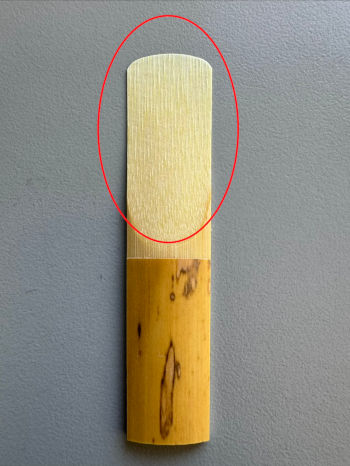
The heart is the center of the vamp. The primary variable at the heart is how thick it is. It is the core of the tone and changes in thickness here have the most impact on how easy it is to produce a particular tone.
Thinner hearts are best known for facilitating a bright tone. They are generally preferred for beginners and by some jazz saxophonists. They are preferred for beginners because the thinner heart requires less air to vibrate and less embouchure strength to control. Thin hearts are sometimes preferred for jazz reeds because they facilitate a brighter, edgier sound, and are more “free-blowing” and flexible.
Thicker hearts are best known for facilitating a dark tone. They are generally preferred by classical (or “concert band”) saxophonists for the ease with which they produce a dark tone. Intonation tends to be more stable, but the added resistance requires more embouchure and air support.
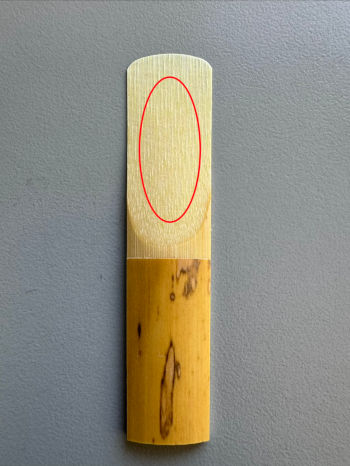
The rails are the thin side edges sloping down the left and right of the vamp. Rails are one of the areas of the reed that contact the mouthpiece while vibrating. The primary variable at the rails is thickness. Rail thickness influences the reed’s overall flexibility and response, especially articulation response.
Thinner rails are highly flexible and free-blowing because there is less cane in the rail area. Thin rails facilitate fast, crisp articulation and very quick response.
Thicker rails are stable and resistant because of the additional cane material in the rail area. Thick rails facilitate the ability to play heavier, more aggressive articulations without damaging the reed.
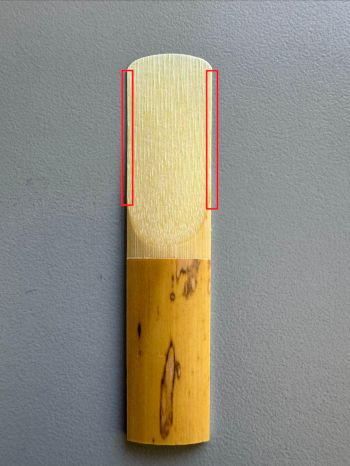
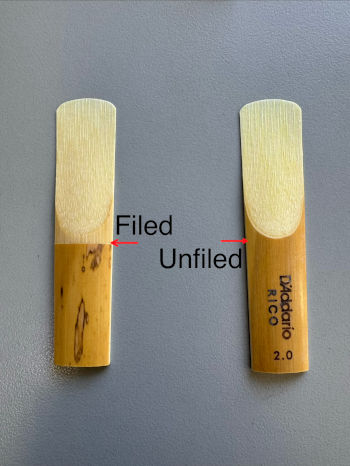
On some reeds, you will see a straight, horizontal line scraped into the bark just below the vamp. This is a “filed” reed. Reeds without that scrape are “unfiled” reeds. While the other elements of a reed discussed exist on a spectrum (e.g., very thin to very thick), the file is a binary characteristic. Either the reed is filed, or it isn’t.
A filed reed allows for a bit more flexibility and a faster response, especially in lower notes. Articulation tends to be slightly easier and crisper.
The bark on "unfiled" reeds extends all the way to the vamp, which makes these reeds feel a little stiffer. Unfiled reeds provide a darker, more resistant, and powerful tone.
Beginners, especially young beginners, need reeds that produce sound with relatively little air pressure and embouchure muscle control. Manufacturers make reeds with thin tips, hearts, and rails specifically for this purpose.
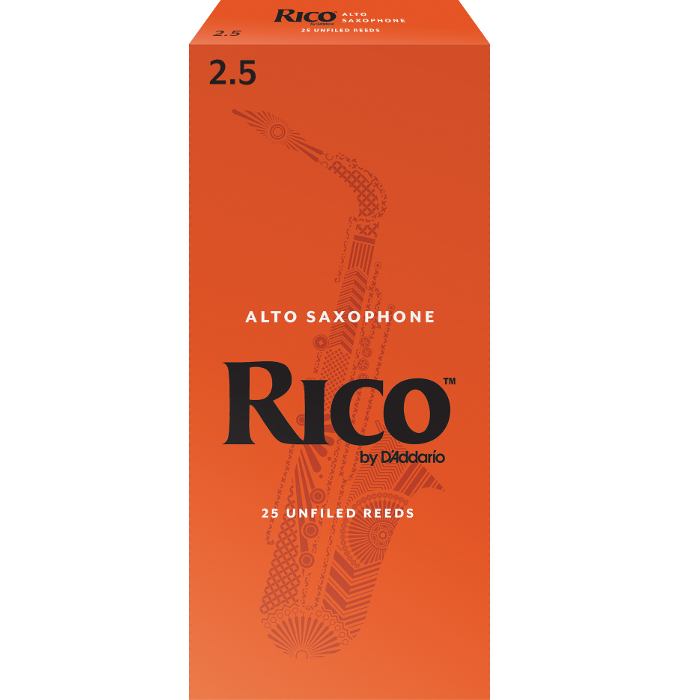
Rico reeds, manufactured by D’Addario, have a very thin tip with a short vamp. This encourages a very bright tone and can make playing low notes difficult. This is an unfiled reed, which adds a little resistance (especially in the low register).
Royal reeds, manufactured by D’Addario, are nearly the same as Ricos, but with a file. The file helps improve the responsiveness of the reed, especially in the low register. Additionally it facilitates slightly crisper articulation. This is what makes it the most recommended brand among music educators for young students. One trade off of the file is that it facilitates a slightly brighter tone on a reed that is already cut to be very bright.

As the saxophonist’s air capacity develops, thin beginner reeds may begin to hold them back. Playing a beginner cut in middle or high school often leads to an unsupported or buzzy tone, pitch problems in the high notes, and a mushy response when trying to articulate fast passages.
“Classical” reeds are the preferred upgrade from beginner reeds for concert band playing. These reeds typically feature a thicker heart, resulting in a darker, warmer, and much more focused tone that blends well with other instruments in a concert band setting.
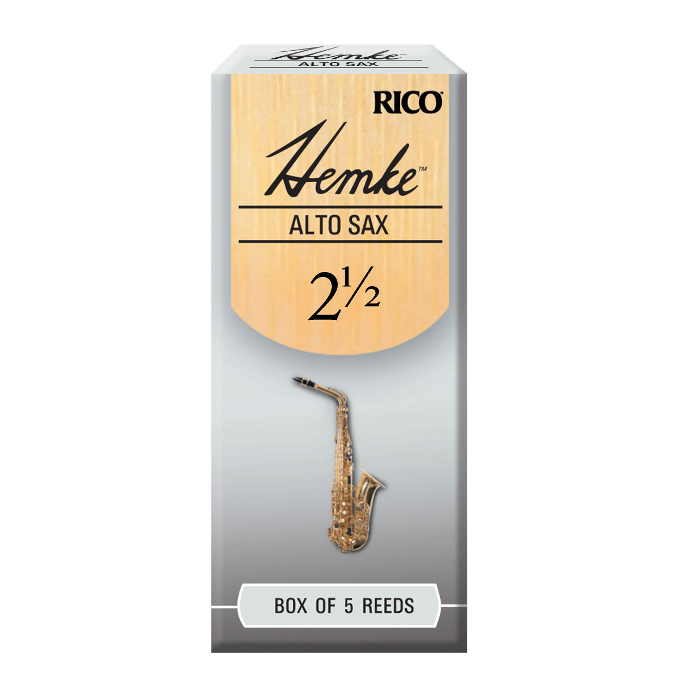
Hemke reeds, manufactured by D’Addario, are filed reeds featuring a thin tip and short vamp with a moderately thick heart. The thin tip creates a very responsive reed. The short vamp and moderately thick heart facilitate a dark, warm, and focused tone. This combination of traits make these an approachable reed to transition to from one of the beginner brands.
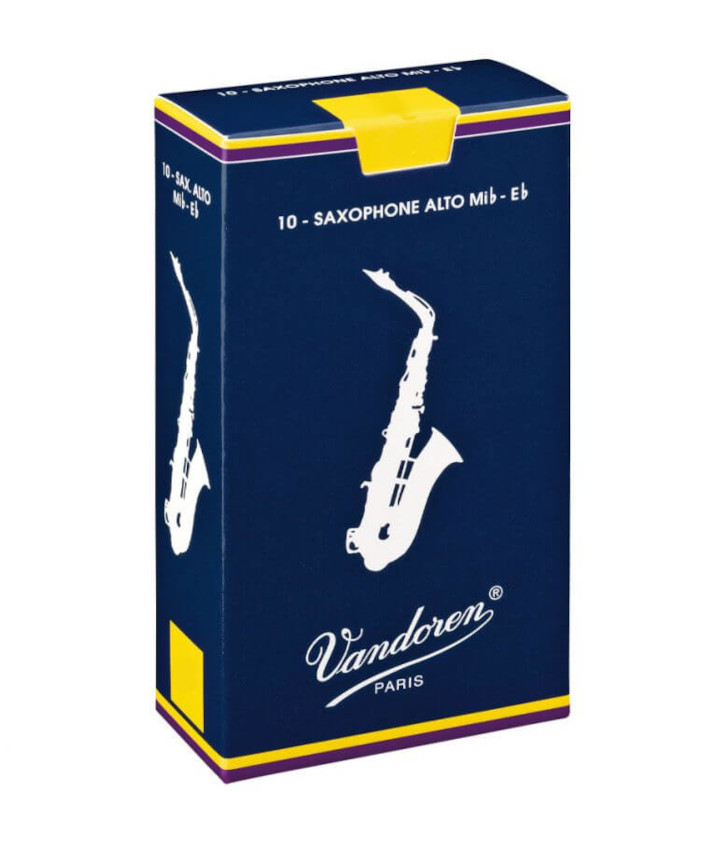
Vandoren Traditional reeds are perhaps the most popular “classical” saxophone reeds in the world. These reeds have a reputation for facilitating a dark, warm tone. The heart is cut extremely thick (the thickest Vandoren offers) to facilitate this. The tip is cut very thin, facilitating quick, agile articulation. Additionally, this is a filed reed with a short vamp. These features help keep the reed responsive despite the extremely thick heart.
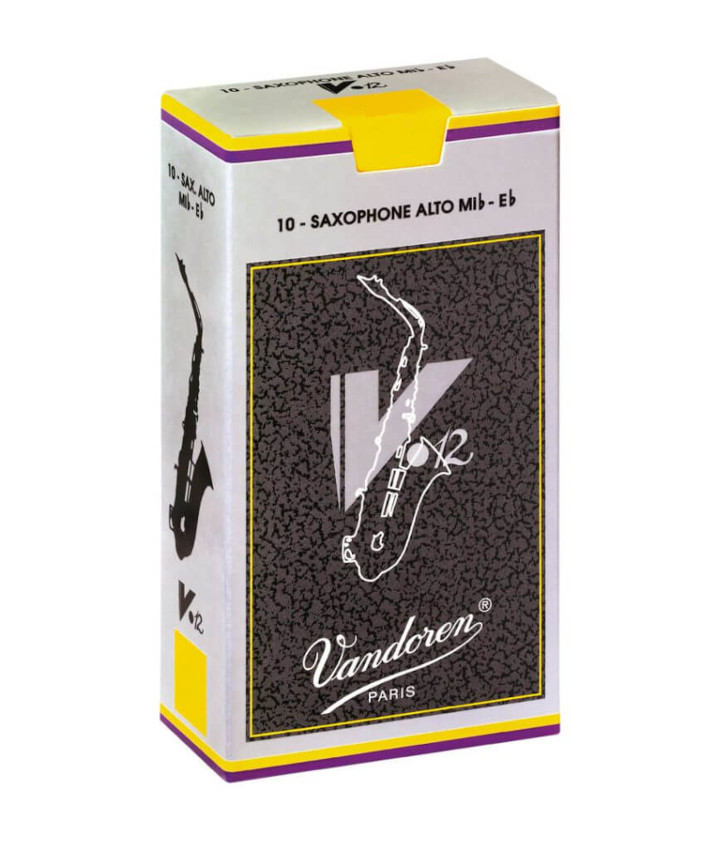
Vandoren V.12 reeds are thick, which increases resistance. They are carved from a thicker blank than is standard, so they may not fit all ligatures. The tip, heart, and rails are all thick. These core features facilitate playing with a warm, solid tone in all registers. Notably, high notes, which can easily be played too shrill, are easier to play with a dark, warm tone on this reed than on many others. The thickness of the tip makes the reed slightly more durable; less prone to splitting, chipping, or warping. However, it can also make quick articulation more challenging. Balancing the thickness are the long vamp and file, which improve responsiveness, especially in the low register.
"Jazz” reeds are designed differently than “classical” reeds. They typically feature a thicker tip and characteristics that promote flexibility, facilitating aggressive articulations and a brighter, more powerful tone that can cut through as a solo voice easier. These reeds are favored by saxophonists who play jazz, pop, or rock music.
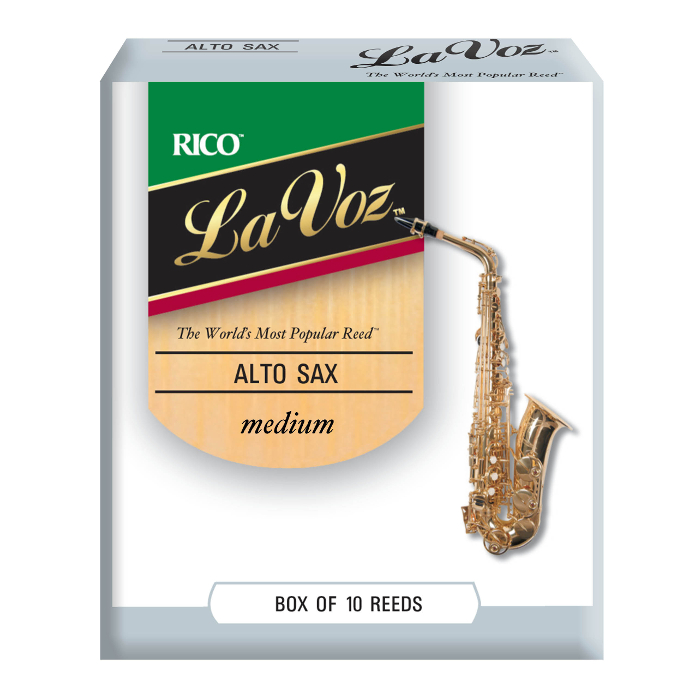
La Voz reeds, manufactured by D’Addario, are unfiled reeds featuring a thin tip, medium-short vamp, and thick heart. The thin tip facilitates a quick response, while the medium-short vamp and thick heart work together to create a powerful sound and stabilize intonation at loud dynamics. One quirk of La Voz reeds is they do not use a number system for their strengths. Instead, they use descriptive words: soft, medium-soft, medium, medium-hard, and hard. These are approximately equivalent to a Rico 1.5, 2.0, 2.5, 3.0, and 3.5, respectively.
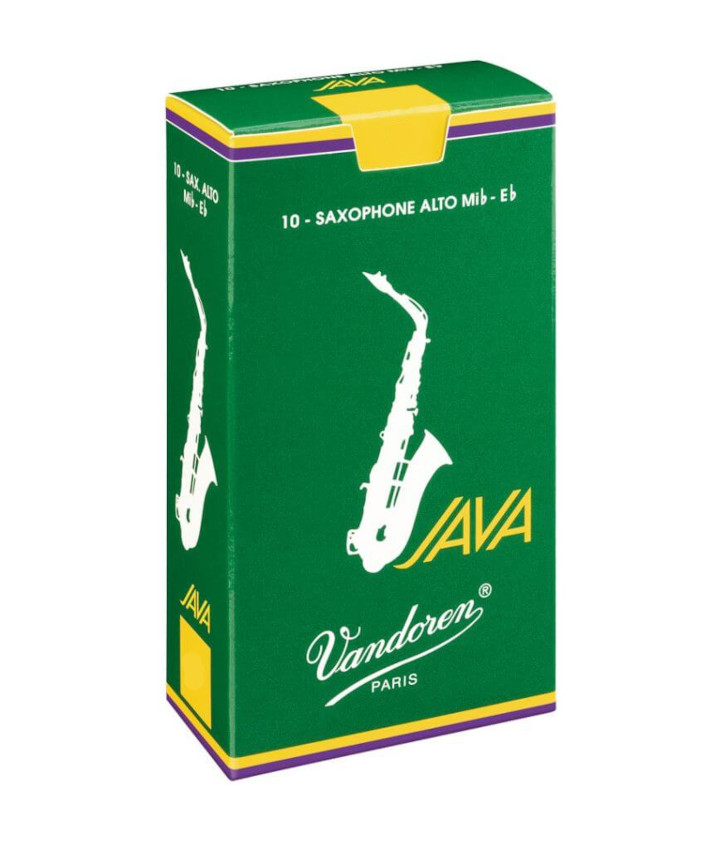
Vandoren JAVA reeds are very popular with saxophonists who play jazz, pop, or rock music due to the long vamp, thin heart, and extremely thin rails combined with a thick tip and an unfiled cut. These reeds can project a big, powerful, bright sound while enabling a lot of flexibility. The thick tip facilitates heavier articulation, which is often needed for the more aggressive articulations called for in popular music styles. It also has the added advantage of making the reed slightly more durable.
Vandoren JAVA Red Cut reeds are an evolution of the original JAVA. It is very similar in dimensions, but with a few key differences. The heart is slightly thicker than the JAVAs. This facilitates a slightly more centered, less spread tone. This is a filed reed, which adds a little more flexibility and counteracts the resistance introduced by the slightly thicker heart, making its resistance feel almost exactly the same to play as the JAVA reeds. Ultimately, facilitating a similar playing experience but a slightly more refined, less edgy tone.

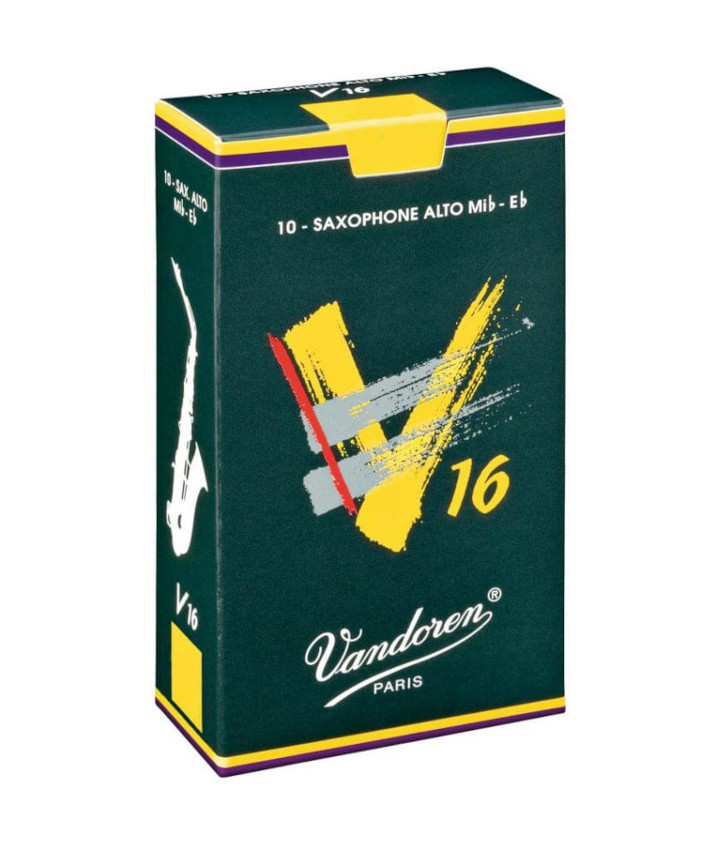
The Vandoren V.16 is an unfiled reed featuring a thick tip, long vamp, and medium-thick heart. They facilitate a dark, powerful tone and play with flexibility. Overall, V.16 reeds are thicker than other jazz reeds, which makes it harder to subtone, but easier to subtone with a good tone. Thinner reeds can get buzzy when the player subtones if they do not have great control. These reeds are great for traditional or vintage jazz styles.
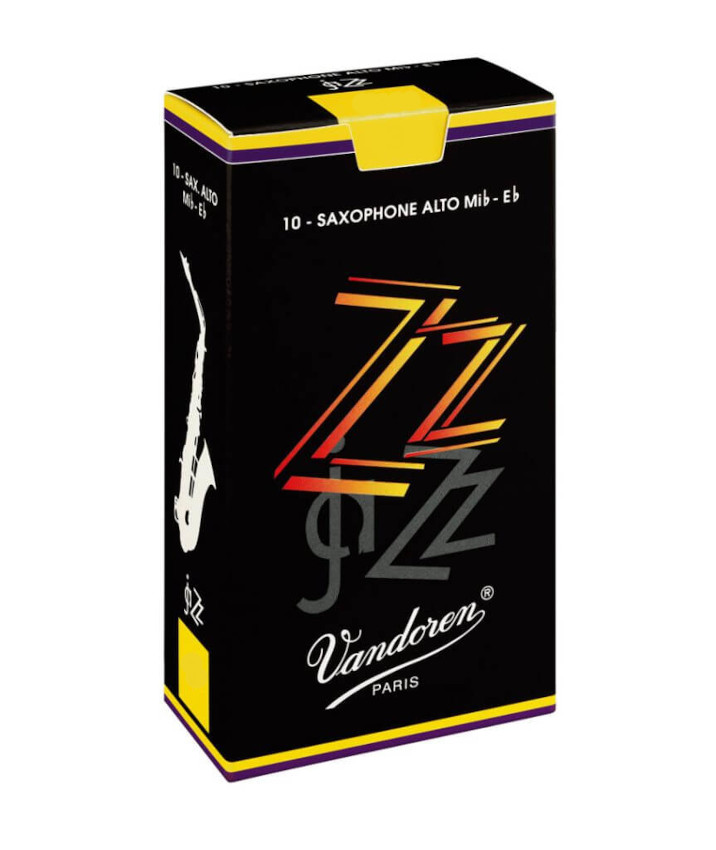
The Vandoren ZZ is an unfiled reed designed to provide a middle ground between the Vandoren JAVA and Vandoren V16. It has a thicker tip, facilitating firm articulations and improving the durability of the reed. The medium-thick heart and long vamp make this reed sound darker than more traditional jazz reeds, but it remains brighter than “classical” reeds.
Reading about reed anatomy is a great starting point, but the only way to truly know which reeds are right for you is to play them. Because every player’s embouchure, mouthpiece, and physiological makeup is unique, a reed that feels stuffy to one player might feel perfectly resonant to another. Furthermore, as you evolve as a saxophonist, your reed choice should evolve with you. The brand that worked perfectly for you in middle school concert band might not get the sound you want as an advanced player.
When trying a new brand, test several reeds from the box over multiple practice sessions. In addition to how they sound, pay attention to how they handle your lowest notes, your highest notes, your articulation speed, and their day-to-day consistency.
Use this guide to find a reed that complements your musical goals, but remember that the true source of the sound is you. The goal of upgrading your equipment is simply to remove physical barriers. Ultimately, the “perfect” reed is one that gets out of your way and makes achieving your desired tone and response feel effortless.


© 2011-2026 Ellis Music Company Inc. All Rights Reserved. Powered by AspDotNetStorefront.
Prices displayed on this site are for in-stock quantities only and are subject to change without notice. Sorry, but typographical errors in prices cannot be honored.
General Site Disclosures